Acrylic vs Resin Sculpture: The Complete Clear-Material Buyer's Guide
When a design calls for a transparent or glass-like sculpture, two material families dominate: acrylic (PMMA) and casting resins (polyester, epoxy, polyurethane). They look similar in a render but behave very differently in clarity, weight, UV resistance and cost. This guide compares them with real data, explains cast vs extruded acrylic, covers embedding objects in clear blocks, and ends with a selection flowchart so you brief the right material the first time.
What Acrylic & Resin Actually Are
Acrylic is poly(methyl methacrylate), PMMA — a thermoplastic supplied as cast sheet/block and machined, bonded or thermoformed into shape. Resin sculptures are thermosets poured into a mould and cured: polyester (cheapest), epoxy (clear, premium detail) or polyurethane (toughest). The short version: acrylic is the optical, outdoor-stable choice; resin is the versatile, mould-any-3D-shape choice.
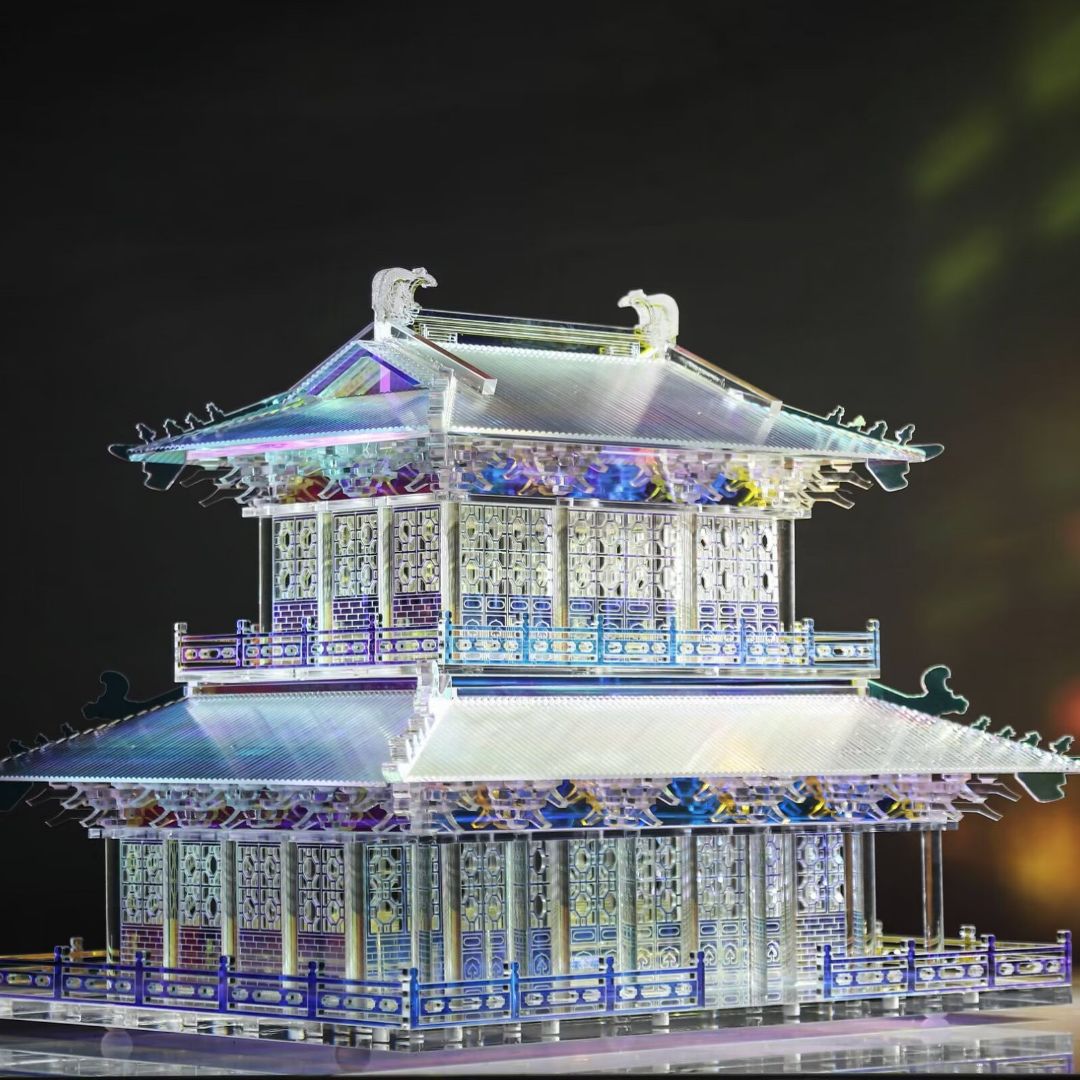
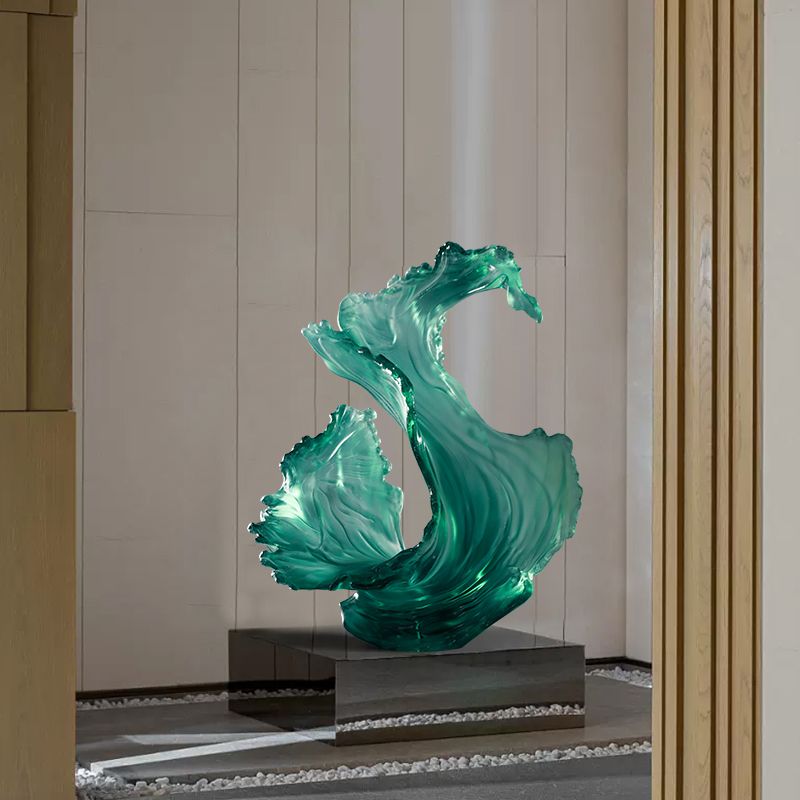
Head-to-Head: Acrylic vs Polyester vs Epoxy vs Polyurethane
| Property | Acrylic (PMMA) | Polyester | Epoxy | Polyurethane |
|---|---|---|---|---|
| Transparency | Highest (~92% light) | Slight yellow tint | Near-clear (slight tint in thick casts) | Often opaque/colored |
| UV / yellowing | Excellent — stays clear | Yellows | Yellows without UV inhibitor | Good UV, rarely water-clear |
| Impact / toughness | Good (brittle if unmodified) | Brittle without fiberglass | High strength & adhesion | Exceptional toughness |
| Weight | ~1.18 g/cm³ (½ of glass) | Light | Light | Light |
| Cure speed | n/a (machined) | Fast (20–40 min) | Slow (hrs–days) | Variable |
| Relative cost | $$$$ | $ (cheapest) | $$$ | $$$ |
| Best for | Clear/optical, outdoor, embedment | FRP composites, low-cost | Clear indoor art, fine detail, embedding | Tough/outdoor functional casts |
Clarity, UV & Yellowing
Cast acrylic transmits up to ~92% of visible light at 3 mm with a refractive index of 1.49 — optically on par with glass, at about half the weight. Its decisive advantage is weatherability: acrylic does not yellow outdoors. Epoxy and polyester, by contrast, yellow over time unless loaded with UV inhibitors; polyurethane resists UV well but is seldom truly water-clear. If a piece must stay crystal-clear in daylight for years, acrylic wins outright.
How Each Is Made
Cast vs extruded acrylic
For sculpture, the grade matters as much as the material. Cast acrylic has higher optical clarity, machines cleanly (no chipping/melting), bonds nearly invisibly and comes in thick blocks; extruded acrylic is cheaper and more uniform but lower clarity and harder to machine — fine for thin signage, wrong for art.
| Cast acrylic | Extruded acrylic | |
|---|---|---|
| Optical clarity | Highest | Slightly lower |
| Machining / bonding | Excellent, clean edges | Prone to melt/chip |
| Thickness | Up to 100 mm+ | Usually ≤ 20 mm |
| Best for sculpture | Yes | No (signage) |
Resin casting
Resin sculptures are made by pouring catalysed resin into a silicone mould taken off a master, degassing to remove bubbles (especially epoxy), curing, then demoulding, sanding and polishing or painting. Casting reproduces complex organic 3D forms that would be impractical to machine from acrylic.
Embedding Objects in Clear Blocks
To suspend an object inside a transparent body, two routes exist. Acrylic embedment encapsulates the object in cast PMMA cured under heat and pressure for optically perfect, permanent, large blocks. Epoxy embedding is an easier room-temperature pour, ideal for smaller or faster decorative pieces, but watch exotherm heat in thick pours and eventual yellowing. Permanence and optical perfection → acrylic; speed and small runs → epoxy.
Cost, Size & Maintenance
As a rough cost ladder for a custom 3D form: polyester < epoxy ≈ polyurethane < cast acrylic. Resin casting is often cheaper for intricate shapes; acrylic costs more but buys clarity and longevity. Cast acrylic blocks reach 100 mm+ thickness, while very thick resin pours are limited by heat build-up. Both scratch more easily than glass, but acrylic polishes out — progressive sanding and buffing restore clarity, a real advantage for premium pieces. Engineering data for PMMA is summarised by references such as SpecialChem; for fabrication, see this cast vs extruded comparison.
How to Choose — Material Selection Flowchart
Not after transparency at all? A solid opaque 3D form is usually cheaper and tougher in fiberglass — see our FRP sculpture guide, or the custom sculpture commissioning guide for process and cost.
Frequently Asked Questions
Will my clear sculpture yellow outdoors?
Acrylic or resin — which is better for embedding an object?
How heavy is acrylic compared with glass or resin?
Can scratches be repaired?
What is the thickest clear piece you can make?
Which is cheaper for a complex 3D shape?
Get a quote for your clear acrylic or resin sculpture
Tell us the shape, size and whether it lives indoors or outdoors — we recommend the right material and send a quote.
Request a Free Quote